Sleeping after coffee can be tricky. Late coffee can make sleep harder. You may keep tossing and turning. Night feels long, but you can enjoy a restful sleep by adopting simple strategies. Caffeine is part of daily routines. It gives a quick energy boost.
It helps you stay awake and active. Finding a guide with practical, research-backed strategies helps provide the much-needed calm. Tips for sleeping after coffee are simple. Drink water. Take deep breaths. Relax. These help make rest easy and calm.
Understanding Caffeine’s Impact on Sleep
1. What Happens When You Drink Coffee
Coffee has caffeine, a strong stimulant. It works on the brain. It stops adenosine, a chemical that helps sleep. This inhibiting effect keeps a person awake and alert. The effects are felt quickly, but once it wears off, a buildup of adenosine can make someone tired.
Caffeine raises adrenaline and cortisol. These hormones make the heart beat faster. They keep the body alert and active. These conditions are hardly conducive to sleeping after drinking coffee. The powerful active ingredient in coffee promotes energy but can cause excessive wakefulness.
Production of these hormones means the body stays alert and it hardly keeps the person ready to rest. Drinking coffee late keeps the body awake. It makes sleep harder. It can stop the body from feeling calm and restful.
2. How Long Does Caffeine Stay in Your System?
Drinking caffeine in the afternoon can make it hard to rest. Caffeine has a half-life, which is the time the body takes to eliminate it. This varies among individuals, and generally it ranges from 3 to 5 hours. Half of what is consumed stays in the body. It can affect sleep.
This means that even a small amount left in the body can affect rest for some people. Among friends, the effect changes a little. It shows up about an hour after drinking. It can last for many hours.
9 Proven Techniques for How to Go to Sleep After Drinking Coffee
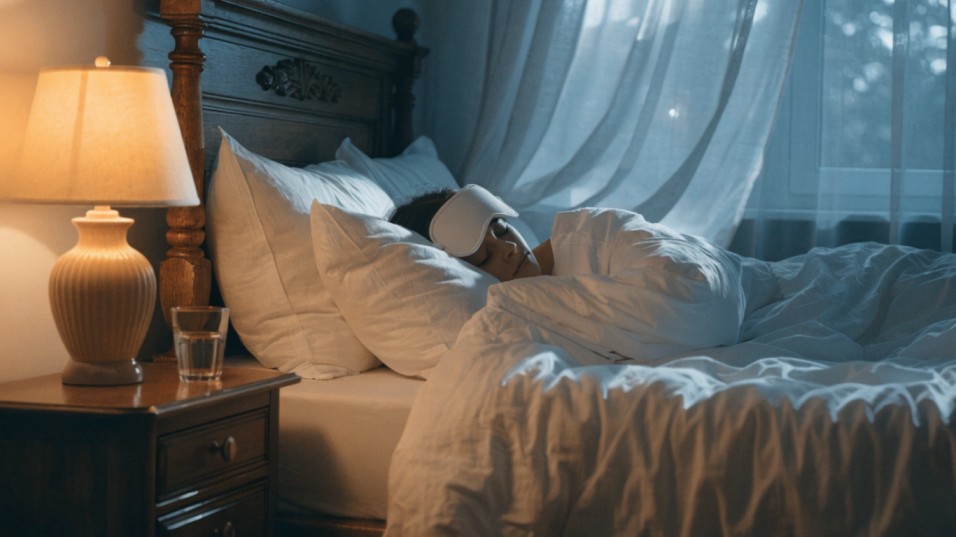
1. Create a Calm, Dark Environment

Sleeping after drinking coffee can feel tricky. Light changes melatonin. This can make sleep come slower. Screens and electronic devices give off blue light. Blue light helps the body stay awake.
It can change hormone levels. To reduce this, turning off devices at least an hour before bed works well. Blackout curtains block outside light. An eye mask keeps your eyes in complete darkness.
Wearing it is important, especially because melatonin regulates sleep. These steps should be considered, particularly for anyone trying to rest after caffeine.
2. Lower Your Bedroom Temperature

Drinking coffee late can make it hard to sleep, but a cool room helps. Keeping the bedroom cool signals the body that it is time to sleep. Set the temperature between 60 and 67 degrees Fahrenheit, or 15 to 19 Celsius.
After a warm bath, entering a cooler room helps fall asleep faster. The drop in core body temperature improves rest and deep sleep even after coffee.
3. Engage in Relaxing Physical Activity
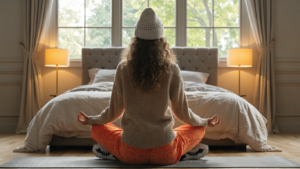
After coffee, do some light exercise. This helps your body handle the effects of caffeine. Choose relaxing activities. Try yoga, stretching, or a leisurely walk. These burn off energy.
They keep you calm and alert. Try gentle exercise before bedtime. It helps the body relax. It can make sleep easier and restful.
4. Practice Deep Breathing and Meditation

After drinking coffee, deep breathing can help. Simple breathing calms the body. It helps you sleep. Breathe in slowly for four counts.
Hold for seven counts. Breathe out for eight counts. The 4-7-8 breathing relaxes your mind and body. Sleep comes naturally.
5. Try a Warm Bath or Shower

After coffee, falling sleep can be tricky. A warm bath or shower before bed brings a relaxing effect that helps muscles unwind. Promoting the onset of sleep feels calming.
A subsequent drop in body temperature after leaving the environment can signal the brain that it’s time to sleep. Helping your mind calm can have a strong effect. It’s a simple trick that works well nightly.
6. Hydrate Properly

Sleeping after a strong coffee can feel restless and dry. Coffee acts as a diuretic, which may lead to dehydration if not careful. Before going to bed, try drinking a glass of water to replenish lost fluids.
Be mindful not to overhydrate, or frequent trips to the bathroom may happen at night. A small glass of water at the right time helps the body relax and makes sleeping easier even after coffee.
7. Use Natural Supplements

After drinking coffee, muscles can feel tense and the sleep-wake cycle may be off. It helps to consider using natural sleep aids. Magnesium and melatonin can really help.
Magnesium helps relax muscles and reduce stress, while melatonin directly influences sleep. Always consult a healthcare provider before starting any new supplement.
For better results when sleeping after coffee, using these aids improves sleep. Using them correctly helps your body settle. It makes your body relax naturally every night
8. Embrace Relaxing Sounds or White Noise
Listening to calming music and nature sounds can make sleeping after coffee easier. In a noisy area, small distractions can block rest, so white noise can drown them out.
This method helps people who live in places particularly sensitive to sound. Careful listening can create a soothing environment. Even small sounds are effective in making sleep calm and steady.
9. Limit Caffeine Consumption

Caffeine can make it hard to sleep if taken too late in the afternoon or evening. To prevent disrupting rest, it helps to limit consumption. Some effective ways include choosing decaffeinated drinks or herbal teas.
These options give a small boost during the day. They help with sleeping after drinking coffee. A warm cup of herbal tea after work can promote calm sleep.
Read our full guide on What Is the Coffee Method for Weight Loss. It shows how this coffee method helps with weight loss and boosts your energy.
The Importance of a Consistent Sleep Schedule
Sleep becomes easier when following a regular schedule. The body clock starts to recognize the time to wake and go to bed. Sleeping after coffee is easier when the daily routine stays the same. Caffeine does not stop sleep if habits are regular.
On weekends, keeping the same pattern helps. Training the internal circadian rhythm keeps sleep-wake cycles smooth. Timing rest and recovery matters. Habits that help sleep at night give more energy in the morning.
They also make you feel less tired. Consistency helps sleep. Repetition makes habits strong. Adjustment improves your routine. Regulation guides behavior. All these help your body clock and sleep..
Understanding Your Caffeine Sensitivity
The body reacts differently to caffeine for everyone. Everyone metabolizes it in unique ways. Your body handles caffeine in different ways. Genes, age, and health help decide how it works. Small amounts of coffee can change sleep.
Try less coffee or choose drinks with low caffeine. If you find that caffeine even a little can affect sensitivity, it is smart to consider how much and when it is taken. Tracking intake helps you fall asleep after drinking coffee. It shows how coffee affects sleep and health.
Final Thoughts:
Caffeine is a strong stimulant. It can be helpful in the day, but its effects may act as a hindrance to sleep. To have a restful night, you can try adopting simple strategies.
These tips mitigate the impact of late-afternoon coffee. Even when indulging, you can still enjoy sleep. Following these ways helps you enjoy better sleep after coffee.