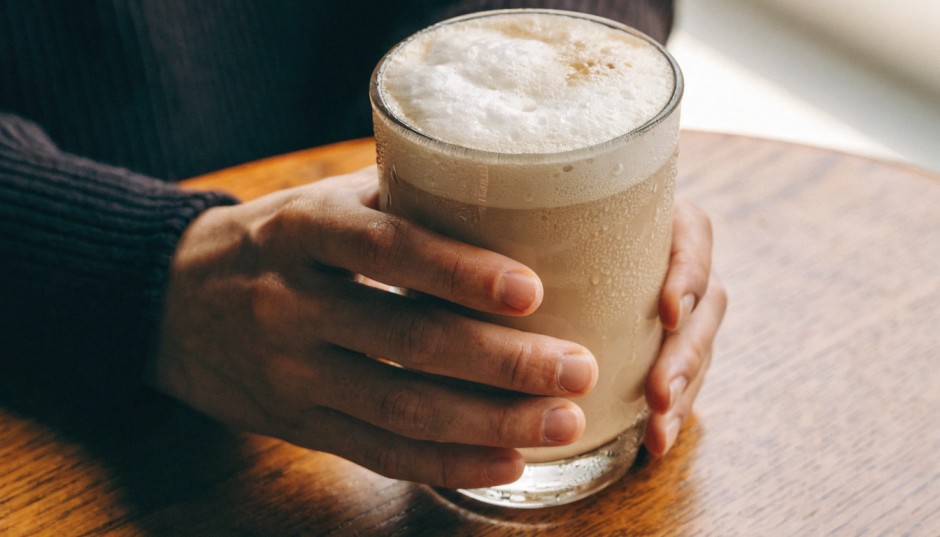
At the coffee shop counter, many options and choices wait when choosing the best milk for a latte. At home, the fridge holds whole, skim, soy, almond, and oat. Each one can change the flavor of a latte. There is no single winner and no clear-cut winner. Personal preference shapes the final choice.
Some days, the whole thing feels rich and smooth. Some days, skim feels light and clean. Soy, almond, and oat bring new kinds of taste. A smart step is to try all kinds to find the best milk for a latte. No one winner fits all tastes. The true best milk depends on your own preference and daily choices.
Best Milk for a Latte – Our Recommendations
Here are the classic latte milk options. Each milk changes the taste, foam, and texture of your latte. The milk you choose shapes the final cup and makes it smooth and creamy.
Whole Milk

Whole milk for coffee is the key to smooth and balanced lattes. Baristas say it is the gold standard because it is the best milk for latte and so creamy. It makes espresso taste rich and full.
The milk blends perfectly and makes every cup taste delightful. Many coffee lovers love how Whole Milk enhances flavor and texture in lattes.
1. How Does It Impact the Flavor?
Whole milk adds a natural sweetness and creamy body to the latte. It makes the espresso soft. It shows the chocolate taste in the drink. A full and warm cup makes every sip rich and smooth. Each mouthful feels cozy and velvety.
2. Calories in a Latte With Whole Milk
A latte made with whole milk for coffee in a 12-oz cup usually comes with 180-220 calories. This depends on the brand and fat content. Typical lattes have more fat than skim milk ones.
Checking the calories on the cup or in the menu helps know about what is being drunk. A latte with rich milk feels creamy and smooth on the tongue. The taste changes depending on the brand chosen.
3. How Good is It For Latte Art?
Whole milk for coffee works best for making a latte. Its fat and protein structure helps create smooth, silky microfoam. This foam is the go-to choice for crisp designs.
It stays stable in the cup and makes the art look professional. Using this milk makes every latte feel special and fun to decorate.
2% Milk (Reduced Fat)
1. How Does It Impact The Flavor?
2% milk adds a nice touch of creaminess. The texture feels a bit thinner than whole milk, but the espresso flavors still come through sharply. The coffee can be noticeably tasted compared to a latte with richer milk.
It makes the flavor smoother but does not hide the boldness of the coffee. A light yet creamy cup is enjoyed more when using healthy milk for coffee. The impact of the milk is gentle and lets the coffee shine.
2. Calories in a Latte With 2% Milk
A warm latte with milk that has 2% fat is a great choice. A 12-oz drink gives about 150-170 calories. The latte is creamy and smooth. This milk keeps the drink light but tasty.
Every sip of the 12-oz latte feels like a small treat. Using 2% milk helps balance the calories while giving rich flavor. This drink is perfect for mornings when energy is needed but heavy calories are avoided.
3. How Good is It For Latte Art?
Foam can be lighter with some milks. This makes pouring hearts and rosettas a bit trickier, but it is still possible. The latte looks good even if the foam is less stable. Art can turn out great but it needs care.
Watching how the foam moves helps. It still holds its shape, and the pouring can create nice patterns. Small tips like tilting the cup makes hearts sharper and rosettas cleaner.
Skim Milk (Fat-Free)

The diet choice makes the latte light. It gives a smooth drink.
1. How Does it Impact The Flavor?
Using skim milk can mute the sweetness while making espresso flavors more exposed. The foam is very airy with large bubbles.
Each drink can feel a little hollow, but the light texture makes it enjoyable. Milk changes how the flavors come out, and the foam floating on top adds a soft, airy touch.
2. Calories in a Latte With Skim Milk
Many people choose skim milk for a 12-oz latte because it averages only 90-120 calories. This makes it the lowest among all dairy options.
The milk still gives a smooth, creamy taste without adding extra calories. For a light and tasty latte, this milk works perfectly.
3. How Good is It For Latte Art?
Foam can collapse quickly when making latte. Designs in art may blur, and it is hard to get a glossy finish. Whole milk is a better choice. It matters if you want good latte art.
Rarely will other milks give the same finish. You need milk for a latte that holds foam and keeps designs clear. Not all milk works well, so the right milk is key.
Best Non Dairy Milk for Latte
Non-dairy options in a latte are fun to try. These days, many bring their own flavor twist. Each one can pour sweet, nutty, tropical, or buttery taste. They steam well.
Many call them the best milk for a latte. They make coffee very smooth. Adding them to the cup gives a rich and playful taste.
Oat Milk
Oat Milk is the star of the plant-based world. This milk is creamy and slightly sweet. Many people choose it as their favorite at coffee shops.
It blends well with espresso and gives a soft, smooth taste. Gentle sweetness makes every cup cozy. It makes coffee warm and inviting. It is a healthy milk for coffee.
1. How Does it Impact The Flavor?
Many people choose Oat milk for a soft taste. It has a natural sweetness. It blends beautifully with espresso.
The drink feels warm and smooth. Each sip gives soft cookies and light cereal-like notes. This mix makes the latte sweet and cozy.
2. Oat Milk Latte Calories
A warm 12-oz latte with oat milk tastes smooth and rich. Most cups have 150-190 calories, and the number can change by brand.
The creamy feel of oat milk blends well in a latte. A 12-oz cup with 150-190 calories gives good taste and steady calories from a trusted brand.
3. How Good is It For Latte Art?
Great latte art needs milk that foams smoothly. When milk is Excellent, it creates soft microfoam like dairy milk. The texture feels light and creamy.
It spreads well in the cup. This helps pour clean hearts and leaves in latte art. That is why it is the top pick for barista-style drinks.
Almond Milk

Almond Milk gives a soft and clean taste in a latte. It feels light in the cup and has a nutty flavor that blends well with coffee. Steaming it is easy when handled gently, letting it work with the heat.
Slow heating and careful foaming create a smooth, warm drink with a mild nut touch that does not hide the coffee taste.
1. How Does it Impact The Flavor?
Using almond milk with espresso brings out the sharp edges of the drink. The nutty flavor feels pleasant on the tongue.
Sometimes it can taste a little bitter or slightly watery, leaving a soft aftertaste. This combination changes the usual coffee flavor in a subtle, enjoyable way.
2. Almond Milk Latte Calories
A 12-oz latte with almond milk usually has 80-120 calories, making it a lighter option than soy or oat. This choice keeps the total drink smooth and creamy while adding a fresh, mild flavor.
3. How Good is It For Latte Art?
Almond milk for a latte can be tricky. It does not foam consistently, so the art is not always good. Sometimes it can separate under high heat.
This makes creating designs a little fair and not the best. Stirring gently under the heat helps it stay smooth and makes the latte look nicer.
Soy Milk

Soy milk gives a creamy taste and a filling feel. It works as a great alternative to dairy milk. Every sip shows its original flavor and strong personality. The texture blends well with coffee, keeping the drink smooth and comforting.
1. How Does It Impact The Flavor?
Soy milk in lattes gives a thicker body and a nutty, bean-like taste. It pairs well with darker espresso roasts.
With lighter coffees, soy milk can overpower the ones with delicate flavors. This choice makes every cup smooth and full of flavor.
2. Calories in a Latte With Soy Milk
A latte with soy milk tastes smooth and light. A 12-oz cup averages about 130-160 calories, giving energy without feeling heavy. Soy milk makes the drink creamy but not thick.
The latte foams nicely, keeping a soft texture. A 12-oz latte with soy milk is simple, tasty, and keeps the calories just right for a morning boost.
3. How Good is It For Latte Art?
Soy or whole milk makes latte art look its best. Soy milk foams better than almond, but it does not always pour smoothly. Oat milk works pretty well too.
Latte art can look good, though it is not always as soft as whole milk. Choosing the right milk helps latte art shine.
Coconut Milk
Adding coconut milk makes it the best milk for a latte and gives a tropical feel to the latte. The flavor is naturally sweet and unmistakably coconutty, making each sip fresh and fun. This coconut aroma fills the cup and lifts the mood with every taste.
1. How Does It Impact The Flavor?
Coconut milk makes lattes taste sweeter and lighter, giving a fun tropical vibe. Sometimes it can overwhelm the espresso and strong flavor of the coffee, so the coffee has to stand out.
This style is great if someone wants a sweet drink that is not so much heavy. That balance makes the latte special and easy to like.
2. Calories in a Latte With Coconut Milk
A 12-oz latte with coconut milk has about 70-120 calories. The blend of milk and water makes it smooth and creamy. This latte tastes light but full of flavor.
Using coconut milk adds a sweet, rich note. The right amount of water keeps the calories low. Choosing this milk makes the latte feel healthy and enjoyable every morning.
3. How Good is It For Latte Art?
Coconut milk foams very thin and airy, so the designs do not hold well. The art looks okay, but it is not great.
For a good latte, milk that creates thicker foam works best. Coconut milk is tasty but not ideal for perfect latte art.
Macadamia Milk

Macadamia Milk is a new kid on the coffee block. Its texture is smooth and creamy. The subtle flavor blends naturally with espresso.
Every latte feels light yet rich. This Milk makes each cup soft and special, perfect for anyone who wants gentle but tasty coffee.
1. How Does It Impact The Flavor?
Macadamia milk adds a soft, buttery texture. The mild nuttiness supports the espresso perfectly. It is never overpowering. This makes the latte balanced and smooth.
Plant-based choices like this are very enjoyable. It is one of the most satisfying options. Making a latte with this milk feels special every time.
2. Calories in a Latte With Macadamia Milk
A latte made with macadamia milk is smooth and nutty. A 12-oz drink usually has about 100 to 130 calories per ounce.
The milk makes the latte creamy and warm. Pouring the 12-oz cup slowly spreads the flavor in each sip. Choosing macadamia milk makes the morning latte tasty and healthy.
3. How Good is It For Latte Art?
Oat milk steams up nicely in a latte. The foam is very creamy and holds shapes well. Works surprisingly good for art, giving designs that stay closer into the cup than other milks. It is smooth to pour, and performance is steady. Each latte looks beautiful, even for beginners.
Read to learn the key differences in flavor, texture, and caffeine between Cold Brew and Latte.
How Much Milk Goes in a Latte?
A classic latte starts with one part espresso. Then add three parts of steamed milk. A thin layer of foam sits on top. The milk goes in a way that blends smoothly with the espresso. Usually, this makes the latte creamy and soft.
The milk part changes taste if it’s too much or too little. Choosing the best milk for latte always helps improve flavor and texture. A good latte always has one part coffee and three parts milk with foam gently on top.
For a perfect latte:
- 8 oz latte: 1 shot espresso + about 6–7 oz milk
- 12 oz latte: 1–2 shots espresso + around 8–10 oz milk
- 16 oz latte: 2 shots espresso + roughly 12–14 oz milk
How to Froth Milk for a Latte?
When making a latte, start with fresh milk. The key is frothing it slowly. The goal is always to get microfoam that is soft and silky. Watch for tiny bubbles forming and avoid big, bubbly foam. A good texture makes the milk blend perfectly with espresso.
Swirling gently helps the milk blend well and keeps a lovely creamy top with a shiny, glossy finish. You can froth milk in many ways:
- Use a steam wand on an espresso machine. It makes smooth, creamy foam.
- Use a handheld frother. It is fast and easy and makes light foam.
- Use a French press. Heat the milk, pour it in, and pump the plunger. The milk becomes frothy.
- Use a jar. Heat the milk, pour it in, close the lid, and shake. The milk becomes foam.
FAQ About Best Milk for a Latte
1. What is the best milk for latte art?
Answer: Whole milk works best for latte art, the winner, hands down. Its fat and protein balance makes a silky microfoam that holds designs beautifully.
Oat milk is a good plant-based option. It foams like dairy and pours well. Both make latte smooth, creamy, and visually appealing.
2. Which has more milk, a cappuccino or a latte?
Answer: A latte has much more milk than a cappuccino. A cappuccino has equal parts of espresso, milk, and foam, with a thin layer of foam on top. Steamed milk is used for a latte, making it creamy and smooth.
The layer of foam on top is small, so the milk stands out. Even a small cappuccino feels lighter because the foam takes space. Choosing good steamed milk can make a latte taste better than any other drink.
3. What is the latte milk to espresso ratio?
Answer: A good latte needs the right milk and espresso ratio. The classic mix is 1/3 espresso and 2/3 milk. One shot of espresso with six to eight ounces of milk makes a small creamy cup.
This ratio keeps the latte smooth and balanced. Pouring the milk slowly over the espresso creates a light foam on top. The latte tastes warm, rich, and perfectly blended every time.
4. How do you heat up milk for a latte?
Answer: Use a steam wand on an espresso machine to heat milk for a latte. This is the best way to make it warm and easy to froth. If you don’t have one, heat milk on the stove until warm, but don’t boil it.
Then, froth it with a frother or a French press. This method makes smooth foam and keeps the latte creamy.